Quality First: Testing Is Not Just What Testers Do
Quality Exists Everywhere
When people hear the word software quality, many immediately think of QA engineers, automated tests or bug reports.
But after working with software teams across different industries, we’ve learned a different lesson:
Quality isn’t something you add before release. It’s something you build into every decision throughout the product lifecycle.
The highest-performing engineering teams don’t simply produce fewer bugs. They consistently deliver products that solve real user problems, remain maintainable as they grow, and create experiences customers enjoy using.
Every stage can build quality. Every stage can break quality.
Every product travels through the same journey.
Every one of those stages can build quality, and every one of them can break it.
Consider a situation like this: A requirement was written, but one business rule was missing. The designer designed exactly what was specified. The developer coded it exactly as designed. QC tested it exactly against the requirements, and everything passed. Then the customer rejected the feature.
Nobody made a mistake. Yet quality failed.
That story captures why quality cannot live inside a single role or a single phase.
The most expensive bugs are rarely technical. They are misunderstandings of requirements that travel silently through the entire pipeline until a customer finds them.
What would a team with Quality Mindset do?
While everyone owns quality, each role contributes in different ways.
Product Managers
Traditional mindset
Sprint planning is finished.
Everyone has tasks.
Let’s start the sprint.
Quality Mindset
Are the priorities clear?
Does everyone understand the scope?
Are dependencies identified?
Do we have enough time for testing?
Developers
Traditional mindset
My code works.
Quality Mindset
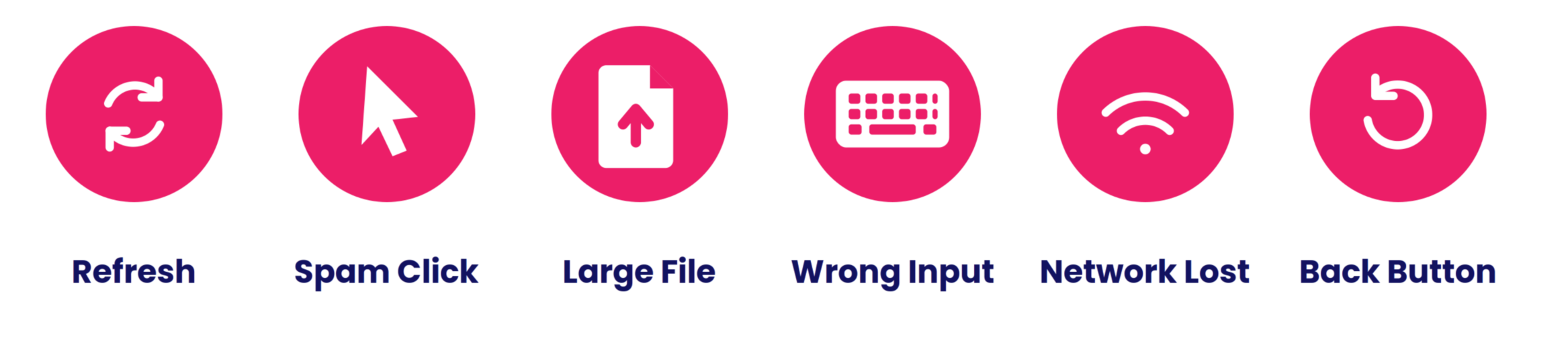
What happens if the API times out?
What if the user has different permissions?
What if the response is empty?
What happens if another developer maintains this code next year?
Designers
Traditional mindset
Design a beautiful interface.
Design only the happy path.
Quality Mindset
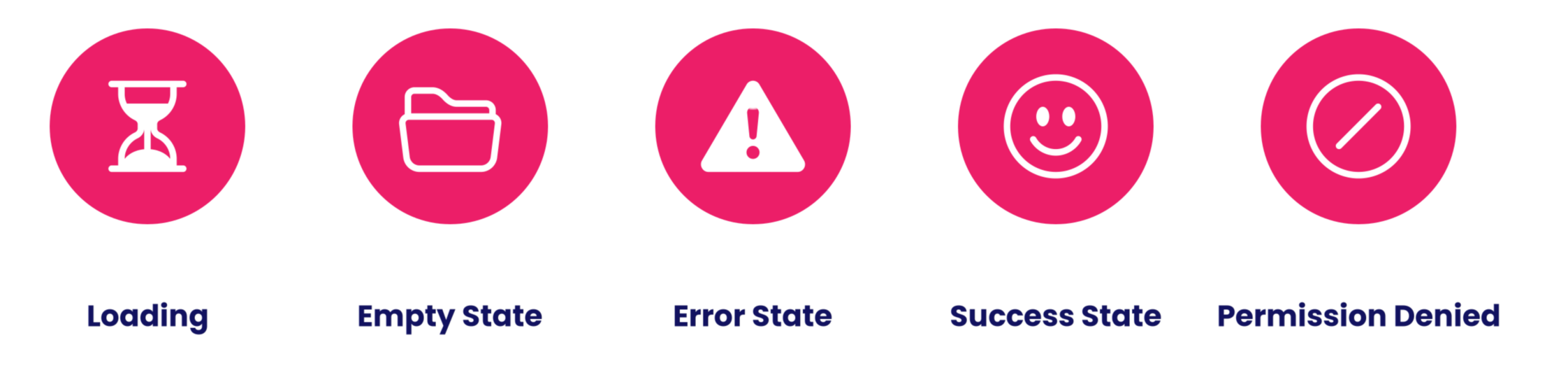
What if text is longer? The language changes? Dark Mode?
Design for every scenario. Failure states matter as much as success.
QA/QC Engineers
Traditional mindset
Bug fixed. Done.
Test cases passed.
Quality Mindset
Could this change affect other features?
What regression testing is needed?
How would a real user interact with this feature?
What unexpected behaviors should we explore?
Shift Left: Quality from day one
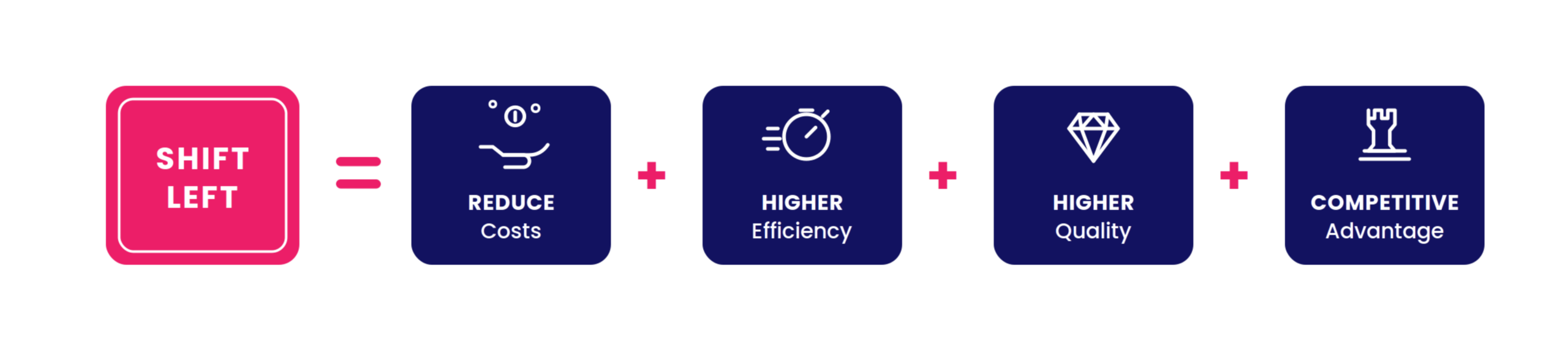
One principle we apply across every TechSoft project is Shift Left Testing: building quality from the earliest stages of development.
Instead of waiting until development is complete, the entire team works proactively.
Product managers validate requirements, designers consider edge cases and user scenarios, developers identify risks before writing code, and QA contributes from the planning phase.
This proactive approach catches misunderstandings, usability issues, and technical risks long before they become costly defects.
When quality becomes everyone’s responsibility from day one, teams move faster, reduce development costs, deliver more reliable products, and create better experiences for users.
Build the right thing. Build the thing right.
At TechSoft, we believe software quality is not owned by a single department.
It is a culture.
This mindset is why quality assurance at TechSoft isn’t a phase at the end of a project — it’s a discipline woven through requirements, design, development, and delivery, backed by strong QA automation (Cypress, Selenium, Appium, JMeter) and 18 years of delivering software to clients.
If you’re looking for an engineering partner that treats quality as a shared responsibility rather than a final checkbox, we’d love to talk.
Quality is about making the right decisions, at the right time, by every role in the team.