A requirement was written, but one business rule was missing.
The designer designed exactly what was specified.
The developer coded it exactly as designed.
QC tested it exactly against the requirements, and everything passed.
Then the customer rejected the feature.
Nobody made a mistake. Quality still failed.
That’s the story we keep coming back to after years of working inside software teams across industries. It’s also the reason we think most companies are looking for quality in the wrong place.
The QA team was never the problem
When people hear the word software quality, many immediately think of QA engineers, automated tests or bug reports. Quality feels like a phase — the thing that happens after development, before release.
But the most expensive bugs we’ve seen were never caught at that phase, because they were never technical bugs at all.
They were misunderstandings — a missed edge case, an assumption nobody questioned — that traveled silently through requirements, design, and code until a customer finally hit them in production.
By the time QA sees a feature, quality has usually already been decided. QA can catch what’s broken. It can’t retroactively fix a decision that was wrong three stages earlier.
Quality isn’t something you add before release. It’s something you build into every decision throughout the product lifecycle.
Quality exists in every role
Every product travels through the same journey: Idea → Requirements → Design → Development → Testing → Release
Every one of those stages can buildquality. Every one of them can just as easily breakit.
The difference lies in the mindset behind everyday decisions.
A Quality-First team isn’t built by testers alone – it’s built when every role shifts from a traditional mindset to a Quality Mindset.
Product Managers
Traditional mindset
Sprint planning is finished.
Everyone has tasks.
Let’s start the sprint.
Quality Mindset
Are the priorities clear?
Does everyone understand the scope?
Are dependencies identified?
Do we have enough time for testing?
Developers
Traditional mindset
My code works.
Quality Mindset
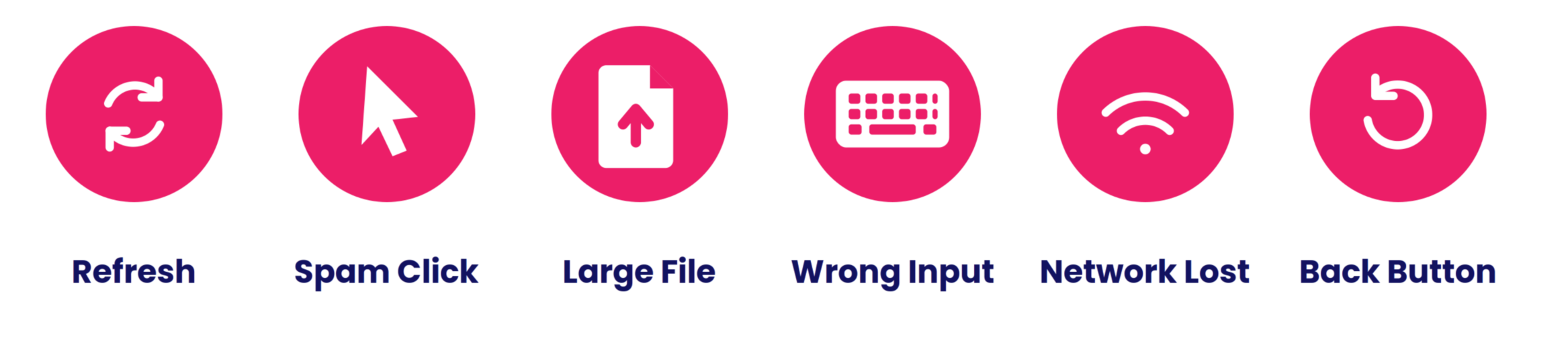
What happens if the API times out?
What if the user has different permissions?
What if the response is empty?
What happens if another developer maintains this code next year?
Designers
Traditional mindset
Design a beautiful interface.
Design only the happy path.
Quality Mindset
What if text is longer? The language changes? Dark Mode?
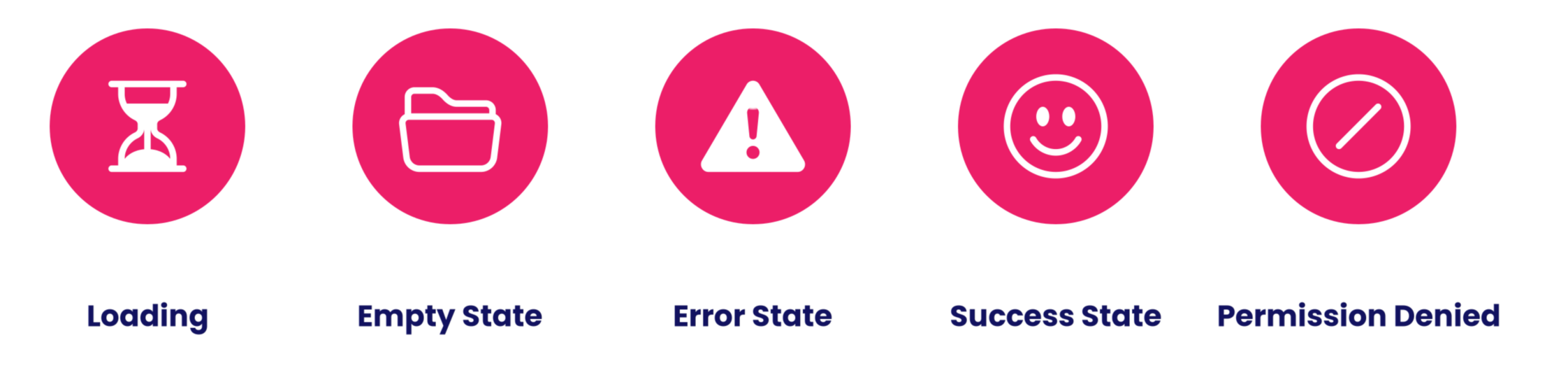
Design for every scenario. Failure states matter as much as success.
QA/QC Engineers
Traditional mindset
Bug fixed. Done.
Test cases passed.
Quality Mindset
Could this change affect other features?
What regression testing is needed?
How would a real user interact with this feature?
What unexpected behaviors should we explore?
Shift Left: Quality from day one
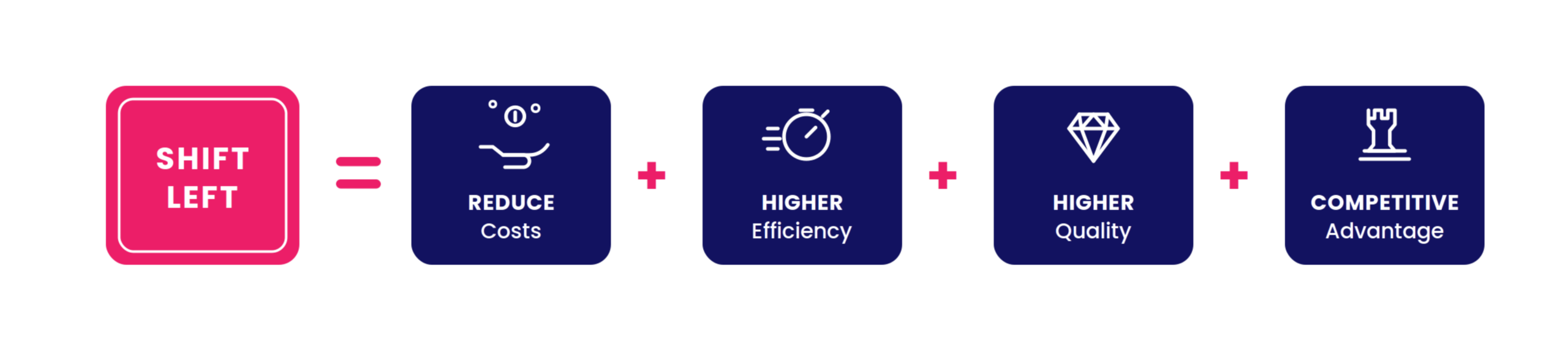
One principle we apply across every TechSoft project is Shift Left Testing: building quality from the earliest stages of development.
Instead of waiting until development is complete, the entire team works proactively.
Product managers validate requirements
Designers consider edge cases and user scenarios
Developers identify risks before writing code
QA contributes from the planning phase.
The payoff isn’t just fewer bugs. It’s fewer expensive bugs — the ones that would have cost 10x as much to fix after release than to prevent at the requirements stage.
Teams that shift quality left ship faster, spend less time fixing avoidable defects, and build products customers actually trust.
Build the right thing. Build the thing right.
At TechSoft, we believe software quality is not owned by a single department.
It is a culture.
Quality assurance at TechSoft is a discipline woven through requirements, design, development, and delivery, backed by strong QA automation (Cypress, Selenium, Appium, JMeter) and 18 years of delivering software to clients.
If you’re looking for an engineering partner that treats quality as a shared responsibility rather than a final checkbox, we’d love to talk.
Quality is about making the right decisions, at the right time, by every role in the team.